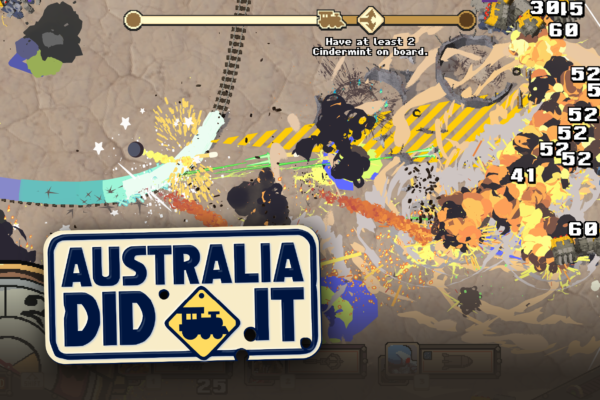
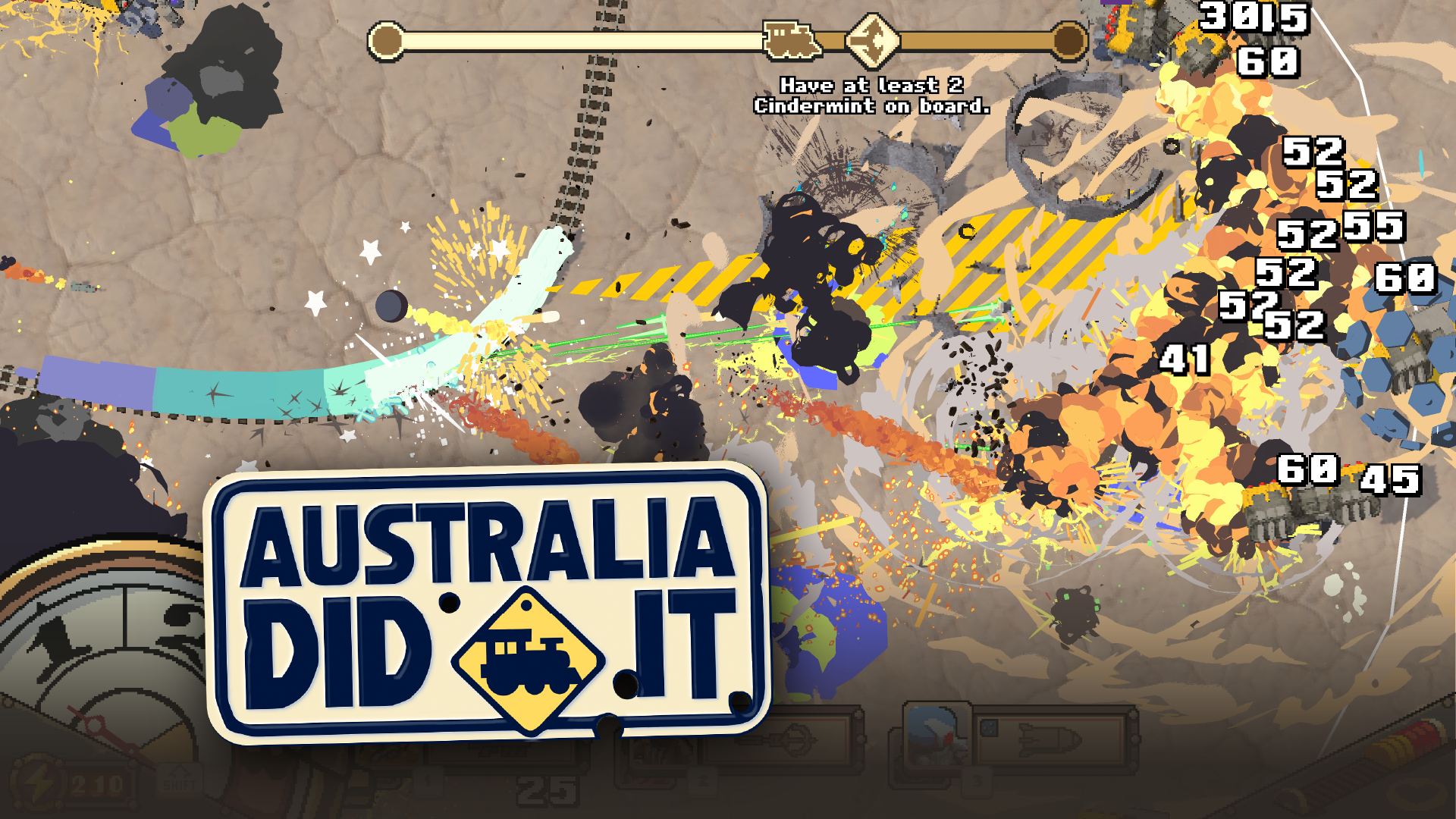
Tower defense has a well-worn rhythm: build up, lock down lanes, and outlast the wave. Australia Did It keeps the strategy satisfaction, but swaps comfort for pressure, experimentation, and hard choices. Across recent previews and Steam Next Fest roundups, press have consistently highlighted how the game shrinks the battlefield, speeds up the decision-making, and turns “building a defense” into an evolving puzzle.
Here’s what’s been resonating most:
Tower defense, compressed into constant decisions
One of the most common themes is how Australia Did It makes tower defense feel immediate. You’re not settling into a long, slow plan – you’re making choices that bite back fast, and the consequences are clear.
A.V. Club framed it through what great strategy games do best: turning success and failure into traceable decisions.
“Australia Did It… taps into this sense of consequence, giving the player constant decisions…” (AV Club)
That “constant decisions” feeling is key to how the game shakes up tower defense: the board is compact, the threats escalate, and you’re always weighing one more turn of setup against the risk of getting overrun.
You don’t build towers – you evolve them
Instead of placing static defenses and upgrading along familiar lines, press keep calling out ADI’s merging system as the mechanic that changes the genre’s usual logic. Your “towers” (mercenaries) don’t just level up – they combine and evolve to unlock new abilities as you experiment.
A.V. Club called out the merge system as the turning point:
“The biggest difference maker is that you can merge your mercenaries to ‘Evolve’ them…” (AV Club)
Rogueliker went even further, arguing that the merging is the real hook and the most interesting part of the pitch:
“…it doesn’t highlight the most fascinating thing… the tactical possibilities of merging high-level units…” (Rogueliker)
And GamingTrend emphasized that discovery is the fun. So it’s less about finding one perfect solution, more about finding wild combinations and making them work.
In other words: Australia Did It turns tower defense from “upgrade the same toolset” into “discover a new toolset mid-run.”
The pressure cooker structure: you can’t turtle forever
Another recurring press takeaway: you’re not meant to “solve” a station and sit safely behind the line. The station phase is about surviving long enough to leave with the best possible setup, not building an unbeatable fortress.
This structure is a big part of why the tower defense loop feels fresh: it replaces perfection with triage. You’re constantly deciding what to keep, what to sacrifice, and what’s “good enough” to make it to the next stop.
A standout demo, powered by “one more run” energy
Beyond mechanics, multiple outlets have described the game as hard to put down – a strong indicator that the tower defense twist isn’t just interesting on paper, it’s sticky in practice.
Loot Level Chill put it bluntly:
“The combination of the tactics style combat, the unit merging and the train journeys feels endlessly compelling, and I even struggled to put this preview build down. Australia Did It simply has to be on your radar, it’s that damn good.” (lootlevelchill.com)
And GameSpot’s Next Fest roundup highlighted the game as one of best demos in the whole event.
The emerging consensus
So far, the press response has been remarkably consistent on what makes Australia Did It special as a tower defense game:
- Tighter scale = faster, clearer strategy decisions (AV Club)
- Unit merging makes defense feel like discovery, not routine upgrading (AV Club)
- You’re surviving a station, not perfecting it – the escalation keeps things tense (GAMINGTREND)
- The hook sticks – multiple previews call it hard to put down (lootlevelchill.com)
If you haven’t already, it’s a great time to wishlist Australia Did It on Steam and keep an eye out for future demo updates.
Cargo delivery is mandatory.
Everything else is an operational variable.